On Cultivating Good Communication When WWOOFing
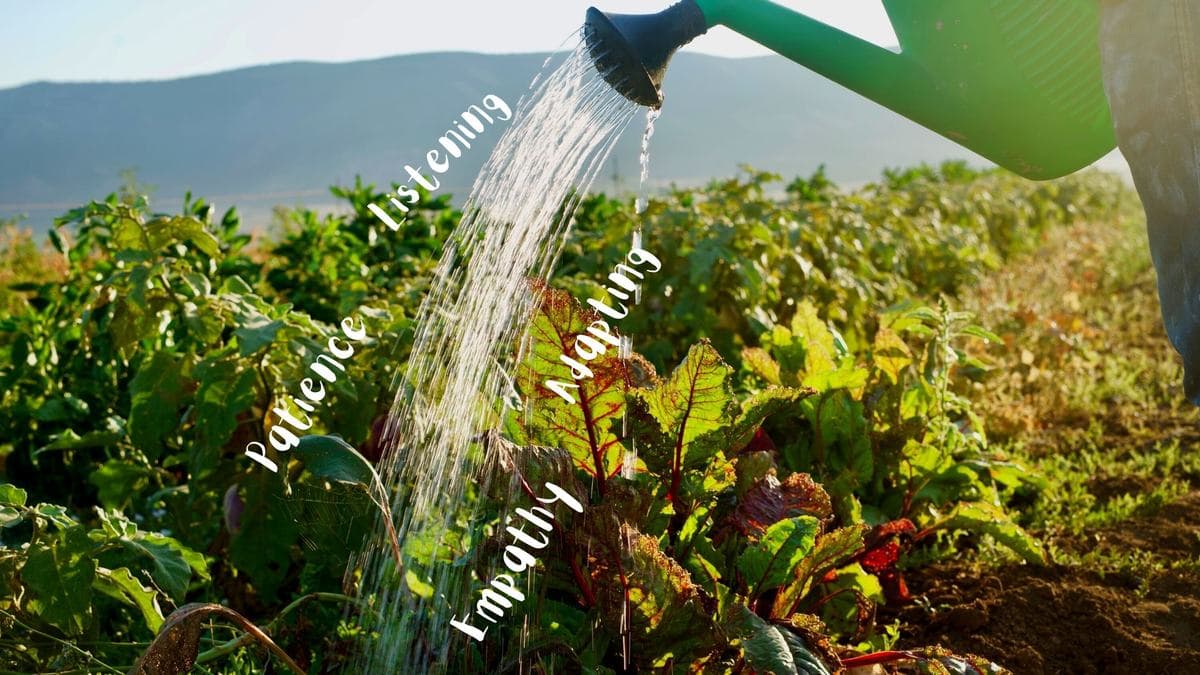
Wholesome communication is not so unlike tending to your organic garden. It requires good intentions, a few handy tools, and a bit of work. Here, WWOOFers and hosts come together to give their best practices around how to effectively communicate in hopes that your experiences on the farm may flourish.

Before all else, I think it’s absolutely necessary to educate yourself. You don’t just take off like that—you exchange emails, you talk on the phone. Often the hosts who welcomed me have said it’s so important to hear a voice. They hear how people express themselves, how they will interact with them. You both see first hand if it’s going to be a good fit or not.

With candidates, we can often tell right away that they didn't read the WWOOF charter and don't understand the true spirit of WWOOF culture.

If both parties have good intentions rooted in a willingness to share, exchange, and participate, there is rarely a misunderstanding.

Communication is checking that other is okay.
Whether it is a conflict when WWOOFing or hosting, it’s the same approach: describe what I observe, express how it makes me feel and then ask how he/she feels about it—then together we see what each one needs and find a solution that can suit us both.
From my own experience, the most important thing is the act of sincerely listening.
Lire davantage


Une fois par saison, l'actualité du WWOOFing par email
